
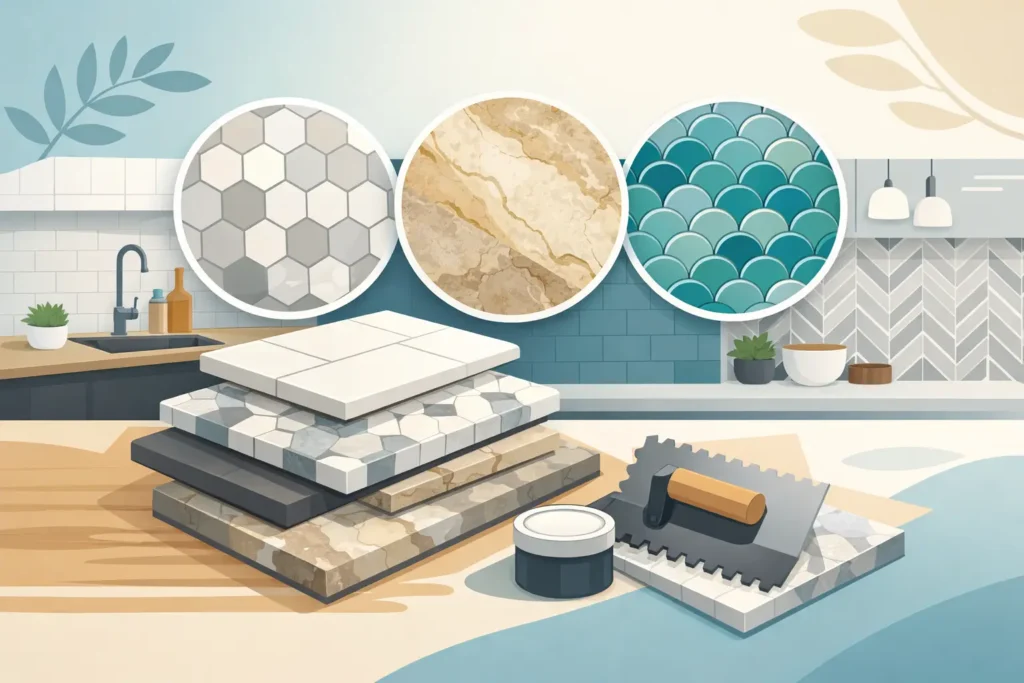
The backsplash may cover only a small portion of your kitchen, but it sits directly in the line of sight – behind the range, around the sink, and beneath the cabinets where daily life happens. Choosing among the best kitchen backsplash materials is about more than finding a beautiful color or pattern. The right surface should complement your cabinetry and countertops, stand up to cooking and cleaning, and make the entire room feel thoughtfully designed.
For Southern California homeowners planning a kitchen remodel, the best choice often comes down to how you use the space. A busy family kitchen needs practical cleanup. A contemporary condo may call for clean lines and a polished finish. A home built for entertaining can support a more dramatic focal point. Here is how to choose a backsplash material that brings your vision together without creating unnecessary upkeep.
Best Kitchen Backsplash Materials at a Glance
There is no single material that wins for every kitchen. Ceramic and porcelain tile offer value and creative flexibility. Natural stone brings depth and a high-end organic look. Glass brightens compact spaces, while quartz slab backsplashes create a refined, low-joint finish. The strongest choice is the one that balances the visual impact you want with the maintenance level you are comfortable with.
Before choosing a sample, look at the kitchen as a whole. Cabinet door style, countertop movement, natural light, appliance finish, and even the height of the ceiling influence whether a backsplash feels calm and cohesive or overly busy. In most cases, it is better to let one major surface lead the design and let the other support it.
Ceramic and Porcelain Tile: Flexible, Durable, and Timeless
Ceramic and porcelain tile remain popular for good reason. They are available in an extensive range of colors, shapes, sizes, and finishes, making them easy to tailor to traditional, transitional, coastal, or modern kitchens. A classic white subway tile can create a crisp backdrop, while handmade-look tile, vertical stacking, herringbone layouts, and oversized formats give the same material a completely different personality.
Porcelain is generally denser and less porous than ceramic, which makes it an especially practical option near cooktops and sinks. Both are durable, heat-resistant, and easy to clean when properly installed. For homeowners seeking affordable luxury, tile offers an opportunity to introduce custom design without dedicating the entire finish budget to one surface.
The trade-off is grout. Light-colored grout can make a tile layout stand out, but it requires more regular attention in an active kitchen. Choosing a stain-resistant grout and a slightly deeper grout tone can reduce visible wear while preserving the look you love. Large-format tile is another smart option for a cleaner, more continuous appearance with fewer grout lines.
When Tile Makes the Most Sense
Tile is a strong fit when you want design freedom, a backsplash with visual texture, or a cost-conscious material that still feels elevated. It also works well when countertops are simple and need a distinctive counterpart. If you have heavily veined quartzite or marble counters, however, a quieter tile may keep the room from competing with itself.
Natural Stone: Warmth and One-of-a-Kind Character
Natural stone backsplashes bring movement, texture, and a sense of permanence to a kitchen. Marble, travertine, slate, and limestone each offer distinctive coloring that cannot be exactly duplicated. A full-height marble backsplash behind the range can become the defining feature of a luxury kitchen, especially when paired with warm wood cabinetry or streamlined painted cabinets.
Stone is an excellent choice for homeowners who value natural variation and are comfortable with a finish that evolves over time. It can make a newly remodeled kitchen feel established rather than overly polished. Matching the backsplash to a natural stone countertop also creates a cohesive, custom look that visually expands the room.
Maintenance is the consideration. Many natural stones are porous and should be sealed to help resist stains and moisture. Marble can etch when exposed to acidic ingredients such as lemon juice or vinegar. That does not mean stone is impractical, but it does mean it is best chosen with realistic expectations. Homeowners who want the appearance of marble with less maintenance may prefer porcelain slabs or quartz with a marble-inspired pattern.
Quartz Slabs: A Clean, Continuous Statement
Using the same quartz for the countertop and backsplash is one of the most polished ways to create a modern, cohesive kitchen. The material runs continuously from the work surface up the wall, minimizing grout lines and creating a tailored finish that works beautifully in contemporary, transitional, and upscale designs.
Quartz is nonporous, easy to wipe down, and available in styles ranging from quiet white to bold veining. It is particularly appealing for homeowners who want a luxurious stone-like aesthetic but prefer a lower-maintenance surface. A full-height quartz backsplash can also make a smaller kitchen feel more open because the eye reads one uninterrupted plane instead of several separate finishes.
Cost and visual balance deserve attention. Slab material and fabrication can be more expensive than standard tile, particularly when the design includes prominent veining that must be carefully aligned. It is also worth considering whether the countertop pattern needs a calmer cabinet color and minimal hardware to avoid visual overload. When selected as part of a complete design plan, quartz can deliver a high-impact result that feels effortless.
Glass Tile: Light-Reflecting and Easy to Maintain
Glass tile is ideal for kitchens that could benefit from more brightness. Its reflective surface catches natural and under-cabinet lighting, helping compact kitchens and darker areas feel more open. It is available in glossy, frosted, textured, and mosaic styles, from subtle neutral shades to rich ocean-inspired blues and greens that suit Southern California homes.
Because glass is nonporous, it resists stains and is simple to clean. It is especially attractive behind a sink or in kitchens where homeowners want a bit of shine without committing to a mirrored or high-gloss cabinet finish.
The main consideration is installation. Glass tile can show adhesive and unevenness more readily than opaque tile, so precise preparation and experienced installation matter. Small mosaic sheets may also introduce more grout lines than a larger tile format. For the right design, though, glass offers a fresh, luminous finish that feels distinctly custom.
Metal Backsplashes: Modern Function With an Edge
Stainless steel, brushed brass, copper, and other metal backsplash options create a strong architectural statement. Stainless steel is naturally at home in a kitchen with professional-style appliances, delivering a clean, restaurant-inspired feel that handles heat and splatter well. Brushed metals can add warmth and character, especially in a contemporary kitchen with dark cabinetry or matte black fixtures.
Metal is easy to wipe down, but it can show fingerprints, water spots, and scratches depending on the finish. It is best used when its reflective quality and industrial appeal are intentional parts of the larger design. A metal panel behind the range, paired with tile throughout the remaining backsplash area, can be a practical way to create a focal point without overwhelming the room.
How to Choose the Right Material for Your Kitchen
Start with the surface that has the strongest pattern. If your countertop has dramatic veining, a simple backsplash in a complementary shade will often create the most balanced result. If your countertops are understated, the backsplash is your opportunity to introduce handcrafted texture, a graphic layout, or a color that gives the kitchen personality.
Next, think honestly about maintenance. A family that cooks every night may appreciate porcelain tile, quartz, or a larger-format surface with fewer grout joints. Someone who loves the patina and individuality of natural materials may find that marble or limestone is well worth the care. There is no wrong answer when the choice reflects how you actually live.
Finally, consider scale. Extending a backsplash to the ceiling behind open shelving or a range hood can make the kitchen feel taller and more finished. Running material all the way to the countertop without a short backsplash strip creates a cleaner, more current appearance. These details are where a design-and-build approach helps turn individual selections into a kitchen that feels intentional from every angle.
A beautiful backsplash should not feel like an afterthought or a showroom trend that will fade quickly. It should make your kitchen easier to enjoy, more personal to your home, and more rewarding every time you walk in. With thoughtful material selection and expert craftsmanship, Creative Remodeling 1 can help shape that finishing touch into one of the most memorable parts of your remodel.