
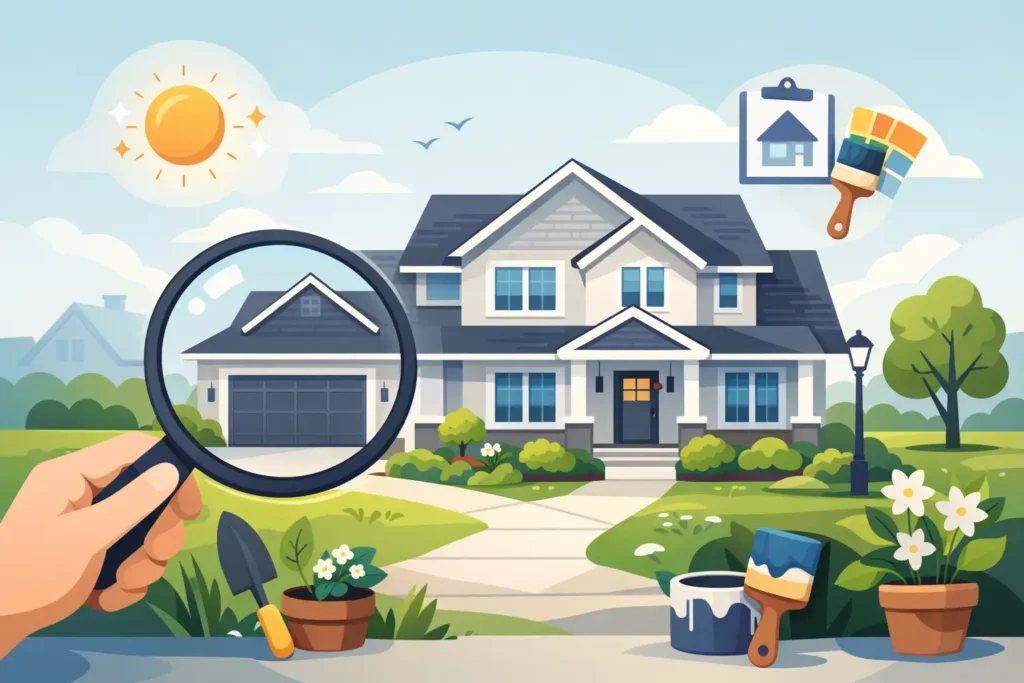
A home’s first impression happens before anyone reaches the front door. The color of the exterior, the condition of the roofline, the walkway, the entry, and even the way light falls across the front of the house all tell a story. If you are wondering how to improve curb appeal, start by looking at your property the way a guest or potential buyer would: from the street, at different times of day, and without overlooking the small details.
For Southern California homeowners, curb appeal is about more than a fresh coat of paint. It is an opportunity to make an aging exterior feel current, create a more welcoming arrival, improve efficiency, and invest in the long-term value of the property. The most successful updates balance visual impact with materials and features that can handle sun, heat, and everyday use.
Start With the Features People Notice First
Every front exterior has a visual hierarchy. The roof, facade, driveway, landscaping, windows, and front door compete for attention, but not all need to be upgraded at once. Begin by identifying the element that makes the home feel dated or poorly maintained. It may be faded trim, an undersized entry door, cracked concrete, mismatched additions, or landscaping that has outgrown the property.
A smart remodeling plan addresses the largest issue first. For example, replacing windows will have more impact than adding new house numbers if old aluminum frames dominate the facade. Likewise, a beautiful front door cannot fully overcome a roof that is visibly worn or a driveway with major cracks. Prioritizing the structural and architectural elements creates a stronger foundation for the finishing touches.
Stand across the street and take a photo of your home. Photos make uneven colors, crowded planting beds, awkward focal points, and neglected areas easier to spot. This simple exercise can also help you decide whether your home needs a light refresh or a more complete exterior transformation.
Refresh the Facade With a Cohesive Color Plan
Paint is one of the most recognizable ways to change a home’s personality, but the best results come from restraint. Choose a primary exterior color that complements the fixed elements you plan to keep, such as roofing, stonework, brick, or hardscape. Then use trim and accent colors to define architectural features rather than competing with them.
Warm whites, soft greiges, sandy neutrals, charcoal accents, and natural wood tones work especially well across many Southern California architectural styles. A Spanish-style home may benefit from creamy stucco paired with dark bronze details. A contemporary home can feel more intentional with a clean neutral facade, black-framed windows, and a warm wood entry. For a traditional property, crisp trim can restore definition without making the exterior feel overly formal.
Sun exposure matters. Colors often appear lighter and brighter outdoors than they do on a small paint sample. Test several options on different sides of the house before committing. If your exterior is heavily exposed to direct sunlight, choose durable, high-quality finishes designed to resist fading and protect the underlying surfaces.
Upgrade the Front Door and Entry Experience
The entry is where curb appeal becomes personal. A front door should feel proportional to the home, easy to use, secure, and connected to the overall design. Replacing a hollow or dated door with a well-crafted wood, fiberglass, or modern steel option can immediately elevate the entire facade.
Consider the practical details along with the appearance. Side panels or transom windows can bring natural light into a dark entryway, while a wider door may improve accessibility and make the home feel more substantial. Decorative glass can add privacy without closing off the space. The right hardware, lighting, doorbell, and address numbers complete the look.
A covered porch, a refined overhang, or a new set of entry steps can create an even more dramatic transformation. These are larger projects, but they can solve real functional issues such as poor weather protection, limited lighting, or an entry that feels disconnected from the rest of the home.
Improve Curb Appeal With New Windows and Doors
Windows and exterior doors do more than sharpen a home’s appearance. They influence natural light, indoor comfort, noise control, security, and energy performance. When old windows are fogged, difficult to open, or visually inconsistent, replacement can deliver a major return in both livability and curb appeal.
Choose window styles that respect the architecture of the home. Clean-lined picture windows and large sliders suit contemporary properties, while divided-light windows may work better for traditional or cottage-inspired exteriors. Frame color matters, too. Dark frames create strong contrast and a modern edge, while lighter frames can blend into a softer facade.
There is a trade-off to consider: larger windows can make a home feel more open and updated, but they may require careful planning for privacy, heat gain, and structural changes. A design-and-build team can help coordinate the exterior appearance with interior layout needs so the finished result feels purposeful from every angle.
Repair or Replace the Roof Before Adding Cosmetic Details
A roof is one of the largest visual surfaces on your home. Missing shingles, discolored tiles, sagging edges, or aging flashing can make even a well-maintained property look neglected. If the roof is nearing the end of its useful life, replacing it before investing heavily in paint, landscaping, or decorative details is usually the wiser choice.
Modern roofing materials offer more design flexibility than many homeowners expect. The right color and profile can complement a Spanish, ranch, traditional, or modern exterior while providing dependable protection. Lighter, energy-conscious roofing choices may also be worth considering in warm Southern California climates.
Roof work is also a natural time to evaluate gutters, fascia boards, attic ventilation, and exterior drainage. These details may not be the most glamorous part of a renovation, but they protect the upgrades that make your home look its best.
Make the Driveway and Walkway Feel Intentional
The route from the sidewalk or driveway to the front door should be clear, safe, and visually inviting. Cracked concrete, uneven steps, narrow paths, and patchwork repairs can distract from an otherwise beautiful exterior. Depending on your budget and the condition of the existing hardscape, resurfacing may be enough, or a complete redesign may create a more lasting change.
Pavers, textured concrete, stone accents, and well-defined borders can introduce character without overwhelming the architecture. The goal is not to add every available material. It is to create continuity between the driveway, walkway, front porch, and landscaping.
Lighting is essential here. Low-voltage pathway lights, step lights, and carefully placed uplighting make the home easier to navigate after dark while highlighting the landscape and entry. Avoid over-lighting the front yard. A few warm, well-positioned fixtures look more refined than a bright, scattered collection of lights.
Use Landscaping to Frame, Not Hide, the House
Landscaping should support the home’s architecture, not conceal it. Overgrown shrubs often cover windows, block pathways, and make the property feel smaller. Start with pruning, removing unhealthy plants, refreshing mulch or gravel, and defining planting areas. Those basic improvements can make a surprising difference.
For a more complete update, combine evergreen structure with seasonal color and low-water plants suited to the local climate. Layer plants by height, keeping lower varieties near walkways and using taller plantings to frame corners or add privacy where needed. A statement tree, sculptural agave, flowering accents, or a clean hedge can establish a polished look depending on your home’s style.
Water-wise landscaping is a practical choice for many Southern California properties, but drought-tolerant does not have to mean sparse. Texture, shape, color, and thoughtful spacing can create a lush-looking front yard with fewer maintenance demands. If you have a small front yard, focus on a strong entry path and a few intentional planting zones rather than filling every open area.
Bring the Exterior Together With Consistent Details
Once the major improvements are in place, smaller details make the design feel finished. Replace outdated address numbers, mailbox hardware, exterior fixtures, and visible vents when they no longer match the home’s direction. Coordinate finishes across the front door hardware, lighting, gate, and garage door accents where possible.
Garage doors deserve special attention because they often occupy a large portion of the front elevation. A new door, updated panels, modern windows, or a color that blends with the facade can reduce the visual weight of the garage and put the focus back on the entry. If your garage conversion or ADU project changes how the property is used, exterior design should be part of that conversation from the beginning.
The strongest curb appeal projects do not look like a collection of separate upgrades. They look like the home was designed that way all along. Creative Remodeling 1 helps homeowners bring that vision together through thoughtful exterior remodeling that pairs craftsmanship with practical planning.
Before choosing your next improvement, focus on the change that will make you feel proud every time you pull into the driveway. That is often the right place to begin.