
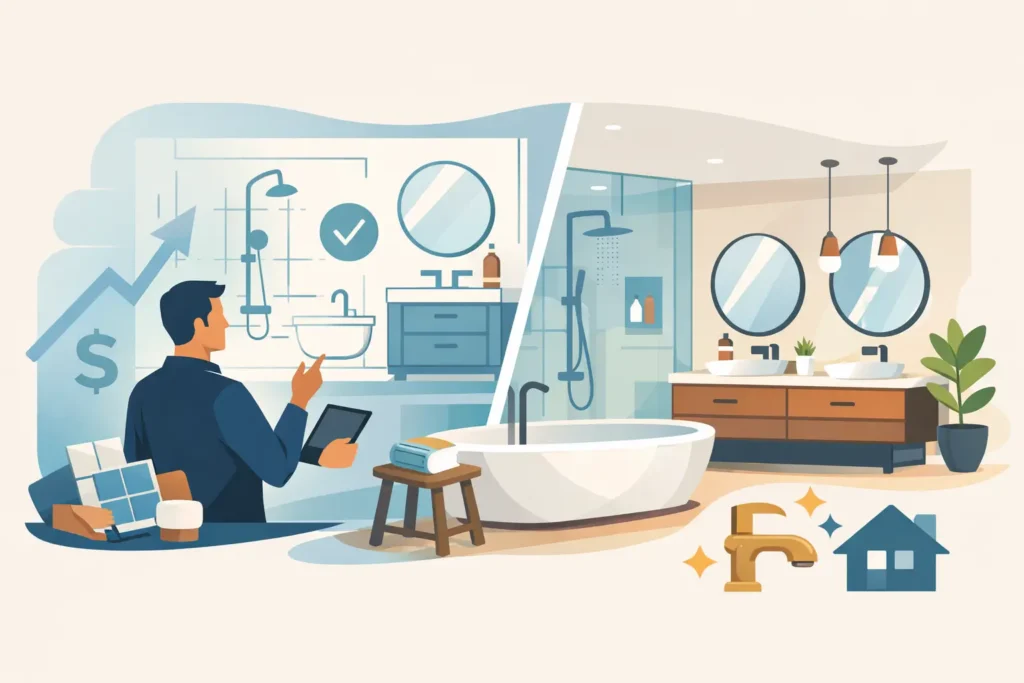
A bathroom can look brand-new and still miss the mark if it does not solve the problems buyers and homeowners notice first: tight circulation, poor storage, weak lighting, dated surfaces, and fixtures that feel inexpensive. Understanding what adds value in bathroom remodeling means looking beyond a single stylish tile or trendy faucet. The strongest projects blend daily comfort, durable materials, efficient use of space, and a finished look that feels right for the home.
For Southern California homeowners, bathroom value is often tied to both lifestyle and resale appeal. A well-planned primary suite can make busy mornings calmer. An upgraded hall bath can better serve a growing family or overnight guests. In a condo, guest house, or income-generating property, a clean, functional bathroom can make the entire property feel more competitive.
What Adds Value in Bathroom Remodeling Most?
The improvements that tend to add the most value are the ones that make a bathroom easier to use, less expensive to maintain, and more visually cohesive. The goal is not to create a showroom that feels disconnected from the rest of the home. It is to create a space that feels intentional, comfortable, and built to last.
A remodeling budget is usually best spent first on layout, waterproofing, ventilation, lighting, and quality installation. These elements may not always be the first things guests point out, but they influence how the room performs for years. Once that foundation is right, finishes and features can bring the design vision to life.
A smarter, more comfortable layout
Layout is one of the biggest drivers of real bathroom value. If a homeowner has to squeeze around an oversized tub, fight a swinging door, or balance toiletries on a tiny vanity, the room is not working hard enough. Moving walls is not always necessary, but thoughtful changes can dramatically improve the experience.
A larger shower, a double vanity where space allows, or a more practical vanity placement can make a dated bathroom feel significantly more luxurious. In a compact bathroom, a floating vanity, a pocket door, or a glass shower enclosure can create a more open impression without expanding the footprint.
Not every bathroom needs to become a spa-sized primary suite. A hall bath may deliver better value with a durable tub-shower combination, generous vanity storage, and an easy-to-clean layout. The right decision depends on who uses the space and how long the homeowner plans to stay.
A beautiful shower with quality waterproofing
Showers are often the visual centerpiece of a remodeled bathroom, and they are also one of the most important areas to build correctly. A spacious walk-in shower, full-height tile, a frameless glass enclosure, and a built-in niche can give the room a custom, elevated appearance.
But a beautiful shower only adds lasting value when the work behind the walls is done properly. Reliable waterproofing, correctly sloped surfaces, carefully installed tile, and well-planned drainage protect the home from moisture damage. Craftsmanship is not simply a finishing detail. It is the difference between a bathroom that continues to perform and one that creates costly repairs later.
For many primary bathrooms, replacing an underused soaking tub with a larger shower is a smart lifestyle upgrade. Still, homeowners should consider the home as a whole. If there is no other bathtub in the house, keeping one can be important for families with young children and for broad resale appeal.
Vanities that combine storage and style
A vanity has an outsized impact because it affects both function and design. A well-built vanity provides storage for everyday items while creating a polished focal point. Drawers are often more useful than deep cabinets because they keep toiletries organized and easy to reach.
Custom or semi-custom cabinetry can be especially valuable in bathrooms with unusual dimensions, limited wall space, or specific storage needs. Pairing the vanity with a durable countertop and an easy-to-maintain sink creates a high-end look without relying on fragile materials.
For a primary bathroom, two sinks can be a meaningful quality-of-life improvement for couples and families. In a smaller guest bath, one generous sink with adequate counter space may be the more practical choice. Value comes from matching the room to the way it will actually be used.
Materials That Make a Bathroom Feel High-End
Material selection should support the design while standing up to humidity, daily cleaning, and heavy use. Buyers and homeowners often respond to a bathroom that feels calm and cohesive, not one that combines every current trend in one room.
Porcelain tile remains a strong choice for floors and shower walls because it is versatile, water-resistant, and available in designs that resemble natural stone, wood, and concrete. Large-format tile can create a cleaner visual line with fewer grout joints, though it requires precise installation and may not suit every small or irregular space.
Natural stone offers a distinctive look, but it can require more maintenance and sealing. It may be worth the investment for homeowners who love its character and are prepared to care for it. For many households, porcelain delivers a similar level of visual impact with easier upkeep.
Neutral foundations usually protect long-term appeal. Warm whites, soft grays, natural wood tones, and understated stone-inspired finishes allow future owners to imagine themselves in the home. Personality can still come through in a vanity color, patterned floor tile, mirror shape, or hardware finish without making the entire room feel overly specific.
Lighting and Ventilation Are Value Builders
Poor lighting can make even an expensive bathroom feel flat. The best bathroom lighting is layered: bright, even task lighting around the mirror; general ambient lighting for the room; and, when appropriate, an accent fixture that adds character.
Sconces on both sides of the mirror can reduce harsh facial shadows, while recessed lights brighten the overall space. Dimmable controls add flexibility, especially in a primary bathroom where homeowners may want a softer atmosphere at night. Natural light is equally valuable, but privacy should be considered through window placement, glass selection, or tailored window coverings.
Ventilation deserves the same attention. A properly sized exhaust fan helps remove moisture, protects paint and finishes, and reduces the risk of mildew. It is not the most glamorous upgrade, but it supports the longevity of every other investment in the room.
Water-Saving Fixtures With Everyday Appeal
Modern water-saving fixtures can support comfort, performance, and lower utility use. Low-flow toilets, efficient showerheads, and WaterSense-style fixtures have improved substantially from earlier generations. Homeowners no longer need to assume that conservation means weak water pressure or an unsatisfying shower.
A quality shower system, a handheld showerhead, and a thermostatic valve can make daily routines more convenient. These upgrades are especially appealing in multigenerational households, where flexibility and ease of use matter. The key is selecting fixtures from trusted manufacturers and making sure valves, trim, and finishes are compatible before installation begins.
Accessibility Features That Feel Thoughtful, Not Clinical
A bathroom designed for aging in place can add lasting comfort without sacrificing style. Curbless showers, wider clearances, handheld showerheads, comfort-height toilets, and blocking behind walls for future grab bars are smart choices for many homeowners.
These features are not only for older adults. A curbless shower is easier to enter for everyone, including children, guests, and someone recovering from an injury. Planning for accessibility during a major remodel is usually more efficient than trying to retrofit the space later.
Avoid Improvements That Outrun the Home
Luxury should feel appropriate to the property. It may not make financial sense to install highly specialized fixtures, exotic finishes, or an elaborate wet room in a modest guest bath where a clean, durable refresh would meet the need. Over-improving can limit the return on investment, particularly if the rest of the home has not been updated to a comparable level.
Likewise, trendy choices should be used with care. A bold tile wall may be memorable, but it can date quickly if it dominates the room. Homeowners who love a statement look can use it in a smaller area, such as a niche or powder room, while keeping the larger surfaces timeless.
The most valuable bathroom remodels are carefully scoped before construction starts. A design-and-build approach helps homeowners align the layout, finishes, budget, permits, and installation details early, reducing surprises once the project is underway.
At Creative Remodeling 1, the focus is on creating bathrooms that feel personal while delivering the practical performance a Southern California home needs. Start with how you want the room to work on an ordinary morning, then build the design around that experience. The result is more than a refreshed bathroom – it is a space that makes daily life easier and gives your home a stronger foundation for the future.