You have a vision for your home, but the process can get messy fast when the designer, contractor, and trades are all working from different playbooks. That is usually the moment homeowners start asking, what is design build remodeling, and why do so many major renovation projects use it?
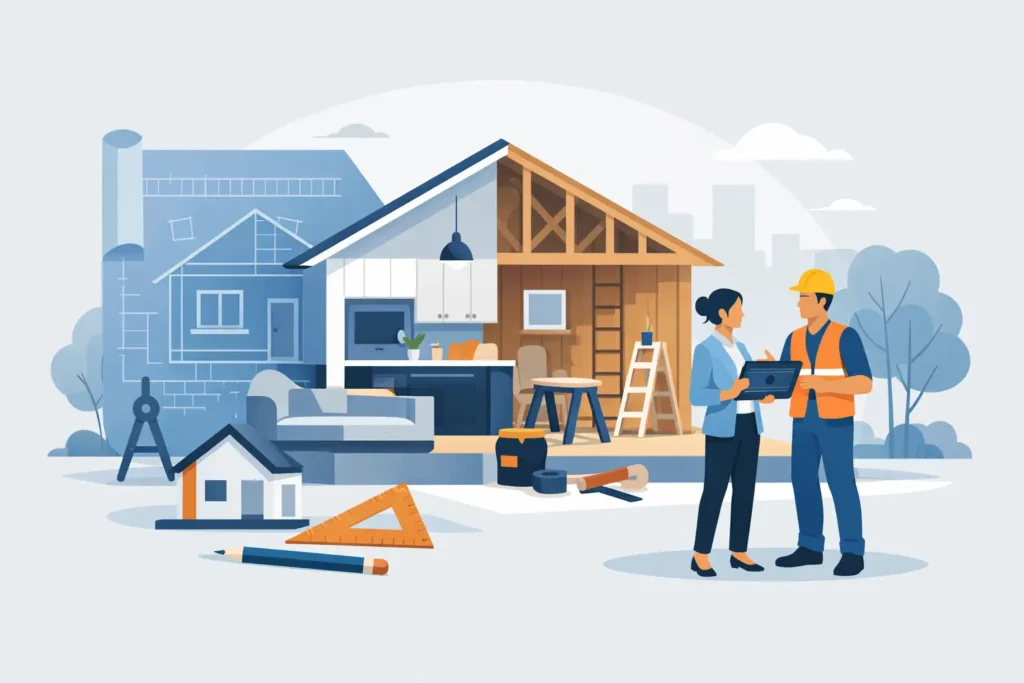
Design-build remodeling is a project delivery method where one company handles both the design phase and the construction phase under one roof. Instead of hiring a designer first and then searching for a contractor to interpret the plans, you work with a single team from concept through completion. For homeowners planning a kitchen remodel, bathroom update, full home renovation, garage conversion, or ADU, that structure can make the experience more organized, more collaborative, and often more predictable.
What Is Design Build Remodeling and How Does It Work?
At its core, design-build remodeling brings planning and execution together. The same company helps shape the layout, materials, finishes, budget, and construction schedule, then carries the project into the build phase. You are not bouncing between separate firms that may have different priorities or different interpretations of what the project should become.
A typical process starts with a consultation about your goals. Maybe your kitchen feels closed off, your bathroom is outdated, or your garage has more potential as a livable space than as a storage zone. From there, the design-build team develops ideas that fit your lifestyle, your home, and your investment range. Once the design direction is approved, the construction side of the same team moves the project forward.
That may sound simple, but the real value is in the coordination. Design decisions affect cost. Material choices affect scheduling. Structural changes affect permits. When all of those conversations happen within one team, problems are often spotted earlier and handled faster.
Why Homeowners Choose Design-Build
For many homeowners, the biggest appeal is clarity. Remodeling can feel exciting at first, then stressful once estimates, revisions, and timelines start shifting. A design-build approach reduces the handoff points where confusion usually happens.
Communication tends to be cleaner because you have one primary team responsible for the full outcome. If a design detail needs to change because of budget, site conditions, or code requirements, the adjustment can happen within the same company instead of turning into a back-and-forth between outside parties.
There is also a stronger connection between vision and execution. A beautiful design is only valuable if it can actually be built well and within reason. When designers and builders collaborate from day one, the final plan is usually more realistic. That matters whether you are reworking a single bathroom or transforming an entire property.
For Southern California homeowners especially, where homes vary widely in age, layout, and permitting needs, having one experienced team guide both design and construction can be a major advantage. Older homes, compact lots, and accessory dwelling unit opportunities all benefit from upfront coordination.
What Makes It Different From Traditional Remodeling?
In a more traditional setup, you might hire a designer or architect first, complete the plans, and then get bids from contractors. That route can work, and in some cases it is the right fit. But it also creates separation between the people who imagine the project and the people who have to build it.
That separation can lead to disconnects. A plan may look great on paper but exceed the intended budget. A contractor may suggest revisions after the design is already finished. Timelines can stretch while details are clarified, repriced, or redrawn.
With design-build, cost awareness and constructability are part of the conversation much earlier. That does not mean every project becomes cheaper. It means the project is more likely to be shaped with budget, logistics, and buildability in mind from the beginning.
The trade-off is that homeowners who want to keep design and construction completely separate may prefer the traditional route. Some people like gathering multiple bids from contractors after final plans are complete. Others care more about convenience, accountability, and having one trusted partner manage the moving parts.
When Design-Build Remodeling Makes the Most Sense
Design-build is especially well suited for projects with a lot of interdependent decisions. Kitchens are a good example because layout, cabinetry, electrical, plumbing, lighting, flooring, and appliance selections all affect one another. Bathrooms are similar, especially when plumbing locations, tile work, storage, and ventilation need to be planned carefully.
It also makes sense for full home remodeling, additions, garage conversions, and ADUs. These projects often involve permits, structural work, code compliance, and extensive material coordination. The more complex the project, the more valuable unified planning usually becomes.
That said, design-build is not only for massive renovations. Even a focused project can benefit if you want more guidance, more design support, and fewer disconnected conversations. If you are not sure how to turn ideas into a practical plan, this model can be a smart starting point.
What to Expect During the Process
Every company structures its workflow a little differently, but most design-build remodeling projects follow the same general rhythm. First comes discovery. This is where your needs, style preferences, pain points, and priorities are discussed in detail. A good team will ask how you live in the space, what frustrates you now, and what success looks like after the remodel is complete.
Next comes design development. That can include layout planning, finish selections, product recommendations, and budget alignment. This phase is where your ideas begin to take shape in a way that is both inspiring and actionable. Rather than designing in a vacuum, the team is also considering labor, construction methods, and scheduling.
Then the project moves into final planning and construction. Permits are addressed if needed, materials are ordered, and the build phase begins. Because the same team has been involved all along, there is usually less guesswork once work starts on site.
The best experience comes when expectations are clear from the start. Ask how revisions are handled, what the timeline typically looks like, who your main point of contact will be, and how selections affect pricing. Good remodeling is creative, but it also depends on disciplined project management.
The Real Benefits of One-Team Accountability
One of the strongest advantages of design-build is accountability. When one company is responsible for both the plans and the build, there is less room for finger-pointing if something needs adjustment. That matters during remodeling because unexpected conditions can show up once walls are opened, especially in older homes.
Instead of hearing that the issue belongs to someone else, you have one team responsible for finding a solution. That can reduce stress and keep the project moving. It also creates a more cohesive experience for the homeowner, which is exactly what many people want when they are making a significant investment in their property.
This model also supports better decision-making. You are not just choosing finishes that look great in a showroom. You are choosing materials and layouts with practical input from professionals who know how those decisions will perform in real construction.
How to Know if a Design-Build Firm Is the Right Fit
Not every design-build company operates at the same level. The concept only works well when the team truly communicates internally and puts the homeowner experience first. That is why it helps to look beyond the label.
Ask how the design and construction teams collaborate. Ask whether budgeting is discussed early or after the design is mostly complete. Ask for examples of projects similar to yours. If you are remodeling a kitchen, converting a garage, or updating multiple parts of the home at once, you want a team that has handled that level of scope before.
You should also pay attention to how they communicate in the early conversations. Are they listening to your goals, or steering you toward generic solutions? A strong design-build partner balances creativity with practicality. They should make you feel guided, not pressured.
For homeowners who want a more efficient path from idea to finished space, a company like Creative Remodeling 1 can offer that one-stop approach by combining design vision, craftsmanship, and construction management in a way that keeps the project centered on your lifestyle.
What Is Design Build Remodeling Really About?
More than anything, what is design build remodeling comes down to a smarter way to manage change in your home. It is about creating a process where the design is beautiful, the construction is intentional, and the people responsible are aligned from the beginning.
If your home no longer fits the way you live, you do not just need a contractor or a sketch. You need a plan that connects the big picture to the real work. The right remodeling partner helps you move forward with confidence, so the finished space does more than look better. It works better for your life every day.